
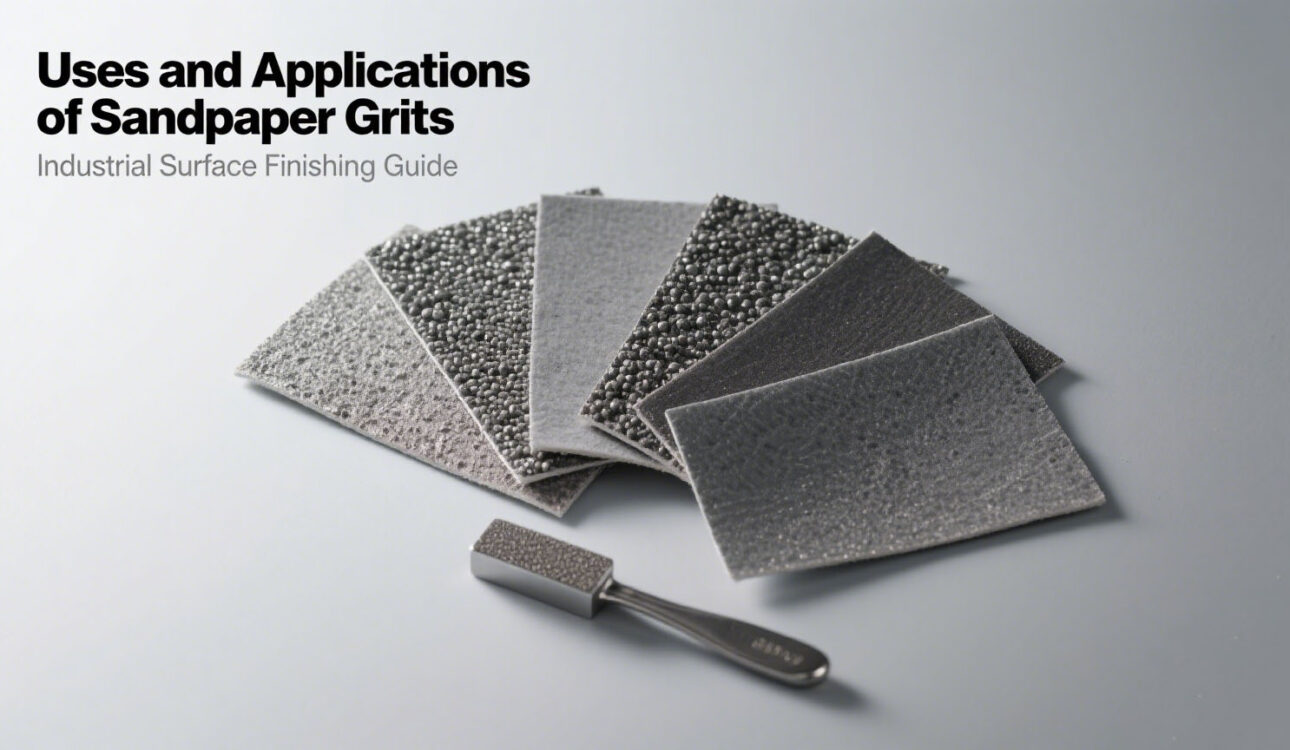
Sandpaper is a versatile tool in many projects. It is essential for woodworking, metalworking, and home improvement tasks. Understanding sandpaper grit is crucial for achieving the best results.
Each grit has a specific use, from heavy material removal to fine polishing. Choosing the right grit can make or break your project.
This guide will explore the uses for each sandpaper grit. We’ll provide a comprehensive sandpaper grit chart and guide.
Whether you’re a DIY enthusiast or a professional, this information will enhance your sanding skills.
Let’s dive into the world of sandpaper grits and their applications.
Understanding Sandpaper Grit: The Basics
Sandpaper grit refers to the abrasive particles bonded to its surface. These particles determine the texture and use of the sandpaper. The grit number indicates the size of these particles, which affects their function.
Lower grit numbers, such as 24 or 36, feature larger particles for aggressive material removal. Conversely, higher grit numbers, like 1200, have smaller particles for a finer finish. Knowing the appropriate grit is essential for the success of any project.
Sandpapers come with various backing materials, which affect their durability and flexibility. Popular backing types include paper, cloth, and film.
Key Points:
- Grit number = particle size
- Lower grit = coarse
- Higher grit = fine
When choosing sandpaper, consider the material you’re working with and the desired finish. For beginners, a sandpaper grit guide can be invaluable.

Sandpaper Grit Chart: Quick Reference Guide
A sandpaper grit chart is an essential tool for any DIYer or professional. It visually outlines different grit levels and their primary uses, helping you select the right sandpaper for your task.
Here’s a quick breakdown of common grit ranges:
- 24-36: Heavy material removal
- 60-100: General sanding
- 120-220: Finish sanding
- 240-400: Between coats
- 600-1000+: Polishing and fine finishes
Consulting a grit chart can save time and effort, ensuring you achieve the best possible result on your project.

Types of Sandpaper Materials and Backings
Sandpaper is crafted from various abrasive materials, each suited to specific tasks. Aluminum oxide is durable and ideal for wood or metal sanding. It resists wear, providing a longer lifespan during tasks.
Silicon carbide is sharper and excels at sanding harder surfaces like glass or plastic. It offers precise cuts, making it perfect for delicate jobs. Garnet, on the other hand, is softer and best for fine woodworking projects.
Sandpaper also comes with different backings, affecting flexibility and durability:
- Paper: Common and flexible for hand sanding
- Cloth: Robust, ideal for power sanding
- Film: Smooth, perfect for consistent results
Understanding these materials and backings will help you choose the right sandpaper for your needs.

Uses for Each Sandpaper Grit: Detailed Breakdown
Very Coarse Grits (24–36)
Very coarse grits ranging from 24 to 36 are excellent for heavy material removal. They are perfect for rough shaping and smoothing out large imperfections. When preparing surfaces for extensive shaping, these grits are your best ally.
Common uses include:
- Removing paint layers
- Shaping rough cuts
- Initial sanding of rough wood
These grits are vital in quickly removing material, setting the stage for finer sanding.
Coarse Grits (40–60)
Coarse grits between 40 and 60 are ideal for smoothing rough surfaces without compromising material quickly. These are useful for both woodworking and metal projects where swift results are needed.
Applications of coarse grits include:
- Stripping old finishes from surfaces
- Shaping edges and corners
- Preparing wood for finer grits
Using these grits ensures good surface preparation before moving to medium grits.
Medium Grits (80–120)
Medium grits, such as 80 to 120, offer versatility for general sanding tasks. They efficiently smooth surfaces and refine the shape of the material. These grits are ideal for intermediate sanding steps.
Medium grits can be used for:
- Blending surface repairs
- Prepping surfaces for fine sanding
- Smoothing woodworking joints
With these grits, surfaces are prepped for fine detailing and finishing.
Fine Grits (150–220)
Fine grits of 150 to 220 are perfect for final sanding before finishes are applied. These grits excel at minor defect removal and preparing surfaces for finishes.
Typical uses include:
- Smoothening wood before staining
- Final sanding on metal surfaces
- Pre-finish sanding of furniture
They leave surfaces smooth and ready for a perfect coat of paint or varnish.
Very Fine Grits (240–400)
Very fine grits range from 240 to 400, suited for in-between finish coatings sanding. This helps achieve smooth, professional-quality surfaces with minimal effort.
These grits are often used for:
- Sanding between coats of paint
- Refining finishes on detailed objects
- Preparing smooth surfaces for polishing
They are essential for achieving a flawless, even look on surfaces.
Extra Fine and Ultra-Fine Grits (600–1000+)
Extra fine to ultra-fine grits, ranging from 600 to 1000+, are essential for polishing and high-gloss finishes. They are the go-to choice for finishing tasks requiring precision and smoothness.
Common uses include:
- Polishing metal to a high shine
- Achieving mirror-like surface on plastics
- Smoothing lacquered surfaces for high-gloss look
These grits ensure a superb finish where fine details matter the most.
Choosing the Right Sandpaper Grit for Your Project
Selecting the proper sandpaper grit can greatly affect your project’s outcome. Consider the material type and the desired finish. Different tasks require specific grits for optimal results.
For most projects, start with a coarser grit and progress to finer options. This method ensures efficient material removal and surface refinement.
Key considerations when choosing grits include:
- Material type: Wood, metal, plastic, etc.
- Surface condition: Roughness and imperfections
- Finish requirement: Matte, satin, or high-gloss

These steps help you achieve a smooth, professional finish while minimizing effort and time.
Sandpaper Applications by Material
Woodworking
In woodworking, sandpaper refines surfaces and highlights wood grain. The correct grit enhances the finish and ensures effective coating adhesion. It’s essential for preparing wood surfaces.
Common woodworking grits:
- 60-80: Shaping wood and removing old finishes
- 120-150: Smoothing surfaces for varnish or paint
- 220-400: Final finishing before sealing
Proper sanding reveals the wood’s beauty while creating a smooth, inviting texture.
Metalworking
Metalworking demands durable sandpaper to remove rust and prepare surfaces. Using the right grit can prevent material damage and achieve the desired polish.
Common metalworking grits:
- 40-60: Removing rust and shaping metal
- 80-120: Smoothening sharp edges
- 220-400: Preparing metal surfaces for painting
Sandpaper is key to achieving a flawless, professional finish on metal parts.
Automotive and Paint Preparation
In automotive work, sandpaper ensures smooth paint jobs and flawless touch-ups. The right grit contributes to a uniform paint finish, enhancing visual appeal.
Common automotive grits:
- 80-120: Removing old paint layers
- 400-600: Prepping surfaces for primer or paint
- 1000-2000: Finishing for a glossy, polished appearance
This meticulous process guarantees durable paint adherence and an impressive vehicle finish.
Plastics, Glass, and Other Surfaces
Sanding plastics, glass, and similar surfaces requires precision and appropriate grit selections. These materials need careful handling to avoid scratches and damage.
Common grits for non-metal surfaces:
- 120-150: Preparing plastic surfaces for painting
- 220-400: Smoothing glass edges
- 600-1000: Polishing surfaces to a high sheen
Proper sanding techniques and grit choices result in flawless, high-quality finishes.
Sanding Techniques and Best Practices
Sanding techniques impact the quality of your project’s finish. A good technique enhances surface smoothness and finish durability. To achieve this, consistent sanding patterns are essential.
Employing the right sanding tool depends on the project’s size and complexity. Hand sanding allows for precision, while power sanders speed up large jobs.
Best practices for effective sanding:
- Always sand with the grain to avoid scratches.
- Gradually move from coarse to fine grits.
- Clean surfaces between grit changes to eliminate dust.

Following these best practices results in a smoother, more professional finish.
Common Sandpaper Mistakes to Avoid
Even experienced DIYers can make mistakes when sanding. Knowing common pitfalls helps in achieving a flawless finish.
Key mistakes to avoid include:
- Skipping grits, which leaves visible scratches.
- Applying too much pressure, wearing down sandpaper prematurely.
- Using the wrong grit for the material, affecting the outcome.
Taking care to sidestep these errors ensures a smooth, professional result.
Sandpaper Grit Guide: Frequently Asked Questions
Many questions arise when choosing sandpaper grit. Understanding grit selection can improve your sanding experience.
Here are some common queries:
- What grit should I start with? Begin with a coarser grit for rough surfaces and progress to finer grits for smoothing.
- Can I skip grits? Skipping grits can lead to uneven surfaces and visible scratches.
- How often should I change sandpaper? Replace sandpaper once it becomes clogged or loses effectiveness.
Knowing these tips helps enhance results and ensures efficient use of sandpaper. Always refer to a sandpaper grit chart for accurate selection.
Conclusion: Mastering the Uses for Each Sandpaper Grit
Mastering sandpaper grit selection elevates any project. Whether woodworking, metalworking, or finishing, each grit serves a unique purpose.
Utilizing a sandpaper grit guide simplifies this process. It ensures optimal results and a professional finish. Embrace the versatility of sandpaper and enjoy smoother, more refined outcomes in all your DIY ventures. With the right grit, the possibilities are endless.
 Portuguese
  English
  Chinese
  Spanish
  French
  German
  Arabic
  Japanese